

Bolognese Cuisine: A Journey Through the Flavors of Emilia-Romagna
Bolognese cuisine is a symbol of tradition, conviviality, and flavor, rooted in the heart of Emilia-Romagna. Known worldwide for iconic dishes such as ragù alla bolognese, lasagna, and tortellini, this culinary tradition embodies a cultural heritage that combines simple ingredients with refined techniques, offering flavors that captivate everyone’s palate. In this article, we explore the history, main dishes, typical ingredients, and secrets of Bolognese cuisine, immersing ourselves in a gastronomic journey that celebrates the city of Bologna and its heritage.
The Origins of Bolognese Cuisine
Bolognese cuisine has its roots in a fertile and generous land, Emilia-Romagna, a region renowned for its agricultural wealth and gastronomic tradition. Bologna, nicknamed “the Fat” for its opulent cuisine, has developed a unique culinary identity over the centuries, influenced by both rural culture and the refinement of noble courts. Bolognese cuisine is the result of a perfect balance between abundance and simplicity, where each ingredient is enhanced to bring out its natural flavor.
The first written traces of Bolognese recipes date back to the Middle Ages, when the city was an important commercial and cultural center. Over time, the local cuisine was enriched thanks to exchanges with other Italian regions and the prestige of the University of Bologna, which attracted students and intellectuals from around the world. Even today, Bolognese cuisine retains its authentic character, while adapting to modern tastes without losing its essence.
Iconic Dishes of Bolognese Cuisine
Bolognese Ragù When it comes to Bolognese cuisine, Bolognese ragù is the first dish that comes to mind. Contrary to popular belief, the original ragù is not a simple tomato sauce with minced meat, but a complex preparation that requires time, patience, and high-quality ingredients. The traditional recipe, registered with the Bologna Chamber of Commerce, calls for beef, pancetta, onion, carrot, celery, white wine, and milk, slowly cooked for several hours. The result is a rich and velvety sauce, perfect for accompanying fresh egg tagliatelle, another cornerstone of Bolognese tradition.
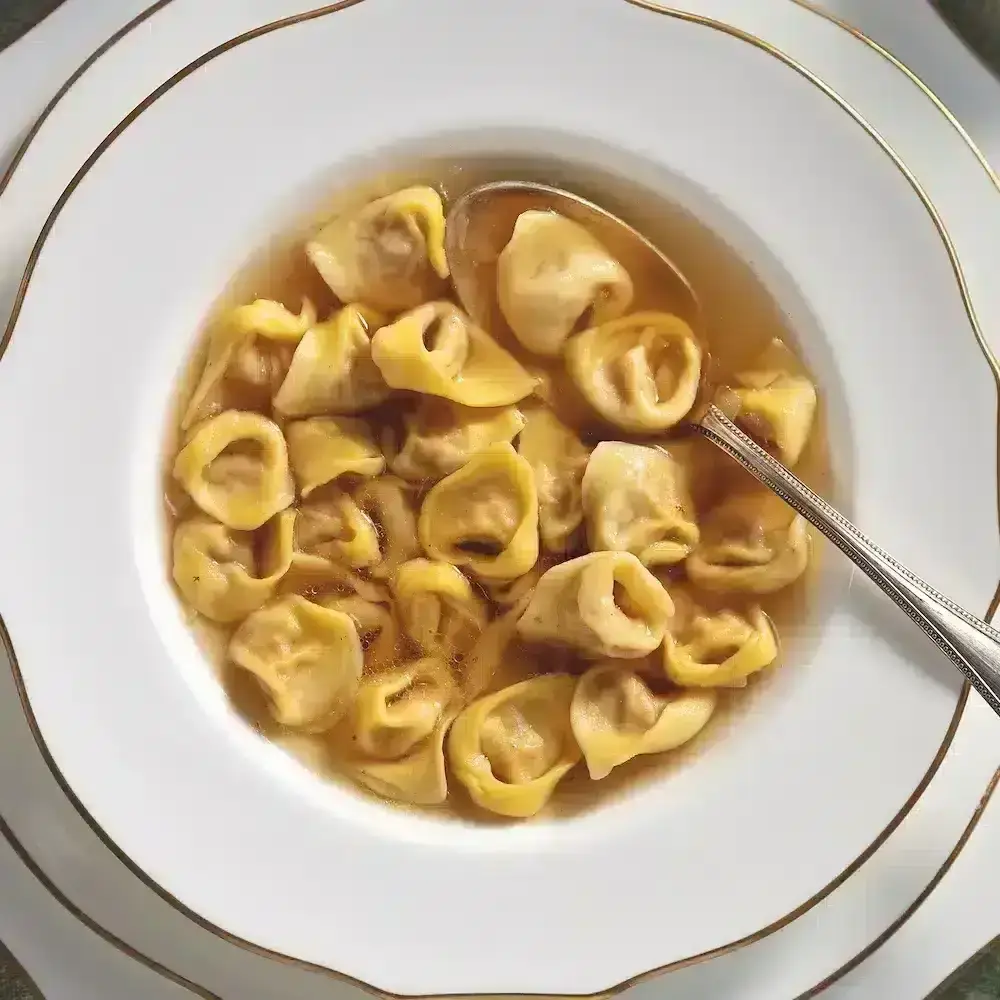
Tortellini: Tortellini are another symbol of Bolognese cuisine, small filled pasta cases enclosing a heart of meat, Parmigiano Reggiano, prosciutto, and nutmeg. Traditionally served in broth, tortellini are a quintessential Christmas dish, but can be enjoyed year-round in Bolognese trattorias. Legend has it that their shape is inspired by Venus’s navel, a tribute to the beauty and creativity of local cuisine.
Lasagna: Lasagna alla Bolognese is a masterpiece of layers: green egg pasta (made with spinach), ragù, béchamel, and a generous sprinkling of Parmigiano Reggiano. This dish, which requires laborious preparation, is an explosion of flavors that perfectly represents the richness of Bolognese cuisine. Every Bolognese family has their own version of the recipe, but attention to the quality of the ingredients remains constant.
Cotoletta alla Bolognese: Less well-known but equally delicious, cotoletta alla Bolognese is a rich variation on the classic cotoletta. It consists of a slice of veal breaded and fried, then covered with prosciutto and Parmigiano Reggiano, and baked in the oven with a touch of broth to make it tender and juicy. It is a dish that embodies a love of intense flavors and the tradition of not wasting anything.
The Ingredients of Bolognese Cuisine
Bolognese cuisine is based on fresh, high-quality ingredients, many of which are PDO and PGI products from Emilia-Romagna. Among the key ingredients are:
Parmigiano Reggiano: The king of cheeses, used abundantly to flavor pasta dishes and fillings.
Prosciutto Crudo di Parma: A versatile ingredient, found in tortellini fillings and as an accompaniment to many dishes.
Mortadella Bologna: An iconic cured meat, perfect both on its own or as an ingredient in recipes like tortellini or fillings.
Balsamic Vinegar of Modena: Used to enhance salads or as a finishing touch on meat dishes.
Egg Pasta: The base of many Bolognese dishes, such as tagliatelle, tortellini, and lasagna, made with flour and fresh eggs. These ingredients, combined with slow and careful cooking techniques, are the secret to the success of Bolognese cuisine, which manages to transform simple raw materials into extraordinary dishes.
Traditions at the Table
Bolognese cuisine is not just about flavors, but also about conviviality. In Bologna, meals are a moment of sharing, an opportunity to gather with family and friends. The city’s historic trattorias, such as Osteria dell’Orsa and Trattoria da Gianni, are places where you can experience the authentic atmosphere of Bolognese cuisine, with dishes prepared according to recipes passed down through generations. Another fundamental aspect of Bolognese tradition is respect for seasonality. Although many dishes are available year-round, vegetables and fresh ingredients follow the rhythm of the seasons, ensuring authentic flavors and a connection to the land.
Bolognese Cuisine Around the World
The fame of Bolognese cuisine has transcended Italy’s borders, conquering tables around the world. However, abroad, many dishes are reinterpreted in ways that are not always faithful to tradition. For example, “spaghetti alla bolognese” is an international creation that doesn’t exist in traditional Bolognese cuisine, where ragù is exclusively served with tagliatelle or stuffed pasta. Despite these variations, Bolognese cuisine remains a reference point for lovers of good food, thanks to its ability to combine simplicity and sophistication. ## How to Prepare a Bolognese Dish at Home If you want to bring a bit of Bologna into your kitchen, here are some tips for preparing an authentic Bolognese dish:
**Choose quality ingredients**: Use fresh products and, if possible, DOP or IGP. A good Parmigiano Reggiano or Parma ham makes all the difference.
**Respect the cooking times**: Bolognese ragù requires at least three hours of slow cooking to develop its complex flavors.
**Learn to make fresh pasta**: Making tagliatelle or tortellini at home is an experience that enriches the dish and connects you to tradition.
**Don’t rush**: Bolognese cuisine is a labor of love, requiring patience and dedication. For beginners, starting with a simple recipe like tagliatelle al ragù can be a great place to start. Over time, you’ll be able to experiment with more complex dishes like tortellini in brodo or lasagna.
Conclusion
Bolognese cuisine is much more than a collection of recipes: it’s an expression of culture, history, and a passion for food. From tortellini in brodo to lasagna, every dish tells a story of tradition and creativity. Whether you’re a food enthusiast or simply curious, immersing yourself in the flavors of Bologna is an experience you’ll never forget.

